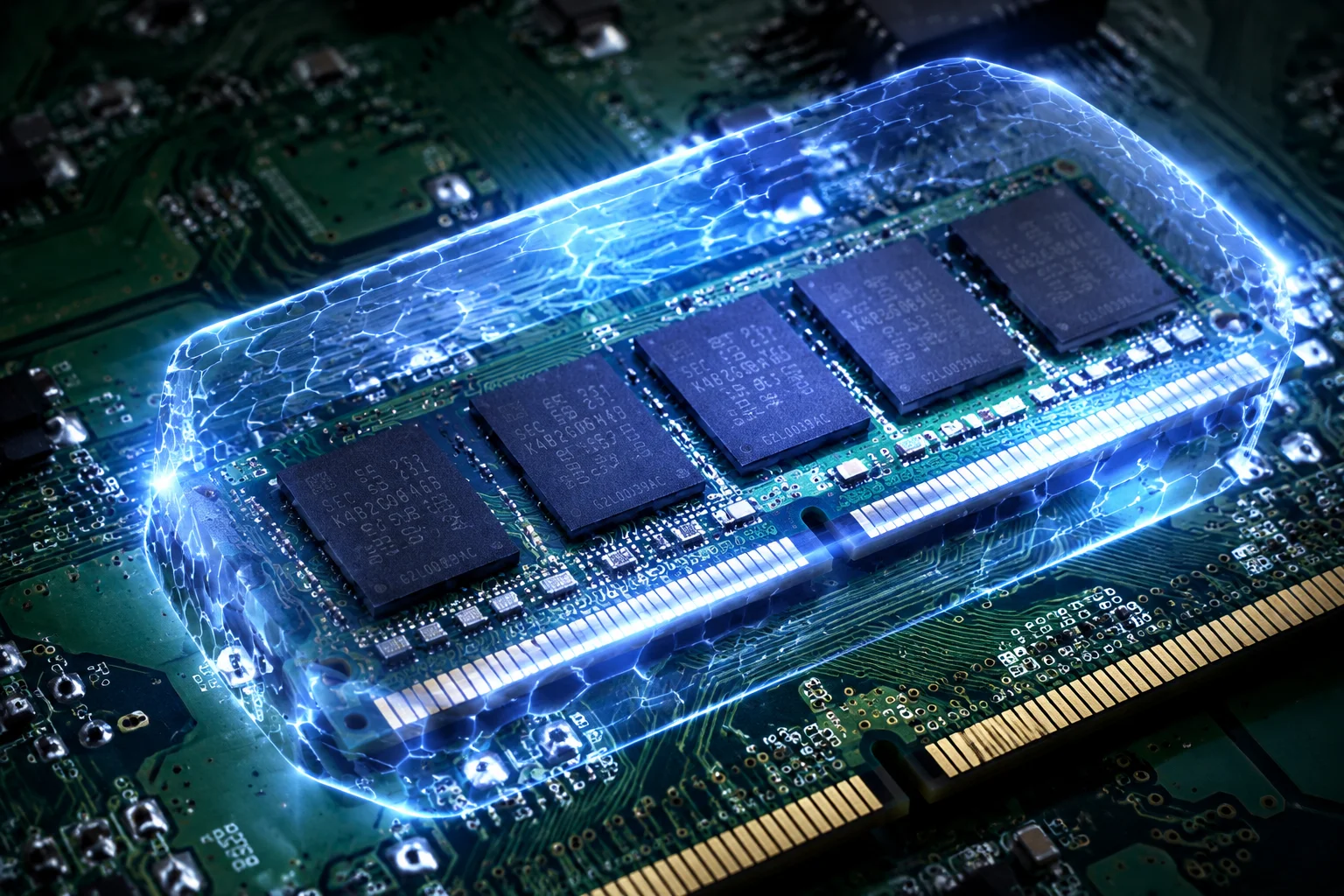
Hardware-Enforced Code Isolation Takes Center Stage
Memory Integrity, technically designated as Hypervisor-Protected Code Integrity (HVCI), operates as the cornerstone of virtualization-based platform defense. By placing critical kernel-mode code execution inside an isolated virtual container, the OS ensures malicious payloads cannot execute ring-0 injections even if administrative permissions are compromised. Recent operating system distributions have expanded automatic activation across broader desktop populations, making an understanding of its performance and driver compatibility profiles essential for every system builder.
Key Pillars of the Expanded HVCI Implementation
-
01
Automated Default Deployment The operating system validates CPU extensions and enables isolation automatically across pre-built and clean installations.
-
02
Proactive Vulnerable Driver Blocking Dynamic kernel blocklists intercept known vulnerable third-party drivers before they can load into protected memory spaces.
-
03
Second-Generation Nested Paging Modern hypervisor enhancements leverage improved hardware page tables, reducing execution latency down to near-baseline thresholds.
Reclaim System Responsiveness Today
Trim idle background services and clear disk bloat to maintain peak throughput with active security.
Isolation Metrics & Real-World System Overhead
Observed latency and execution metrics across high-throughput benchmarks comparing HVCI enabled versus legacy unisolated configurations.
| Parameter / Metric | Specification / Status | System Impact |
|---|---|---|
| Virtualization CPU Overhead | 1.8% – 3.2% | Imperceptible during productivity, media playback, and standard background multitasking. |
| Kernel Code Isolation | Virtual Trust Level 1 | Rigid cryptographic checks prevent unsigned DLLs and altered system binaries from launching. |
| Vulnerable Driver Blocklist | Synchronized Weekly | Neutralizes bring-your-own-vulnerable-driver exploits without requiring operating system restarts. |
| Frame Pacing Consistency | ~2.5% 1% Low Variance | Minor frame dips in competitive esports titles requiring manual background thread optimization. |
| Driver Signature Verification | < 0.4 Milliseconds | Near-instantaneous initialization for modern WHQL-certified hardware controller drivers. |
Balancing Zero-Trust Isolation with Peak Computing Speed
Historically, hypervisor-enforced memory security was restricted to corporate enterprise endpoints where data integrity outweighed millisecond-level responsiveness. With malicious actors increasingly deploying vulnerable signed drivers to bypass local security controls, consumer hardware required a foundational overhaul. Memory Integrity establishes a dedicated hypervisor perimeter that permanently separates user space operations from sensitive kernel execution pipelines.
Under this security model, every kernel driver must present valid digital certificates before the hypervisor marks its corresponding memory pages as executable. When outdated third-party software attempts to write directly into protected kernel regions, the operating system immediately halts the operation. On older hardware configurations, this continuous verification cycle can introduce noticeable CPU cycles, prompting users to fine-tune startup software and background processes to maintain fluid everyday frame pacing.
"Memory Integrity marks an irreversible milestone in modern operating systems. Isolating kernel execution inside a virtual chamber eliminates an entire generation of ring-0 rootkits at the architectural level."
Under the Hood: Virtual Trust Levels & Nested Page Tables
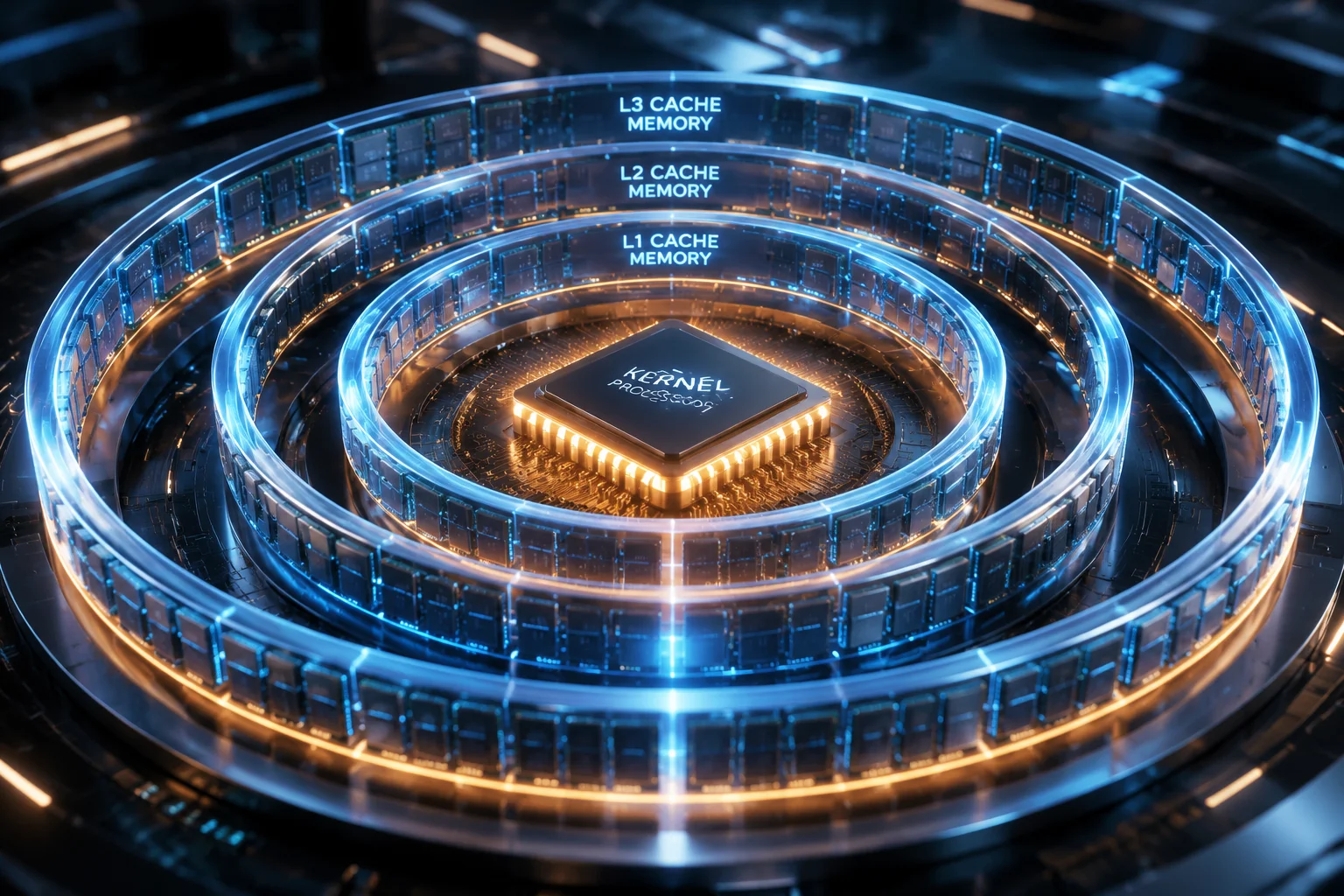
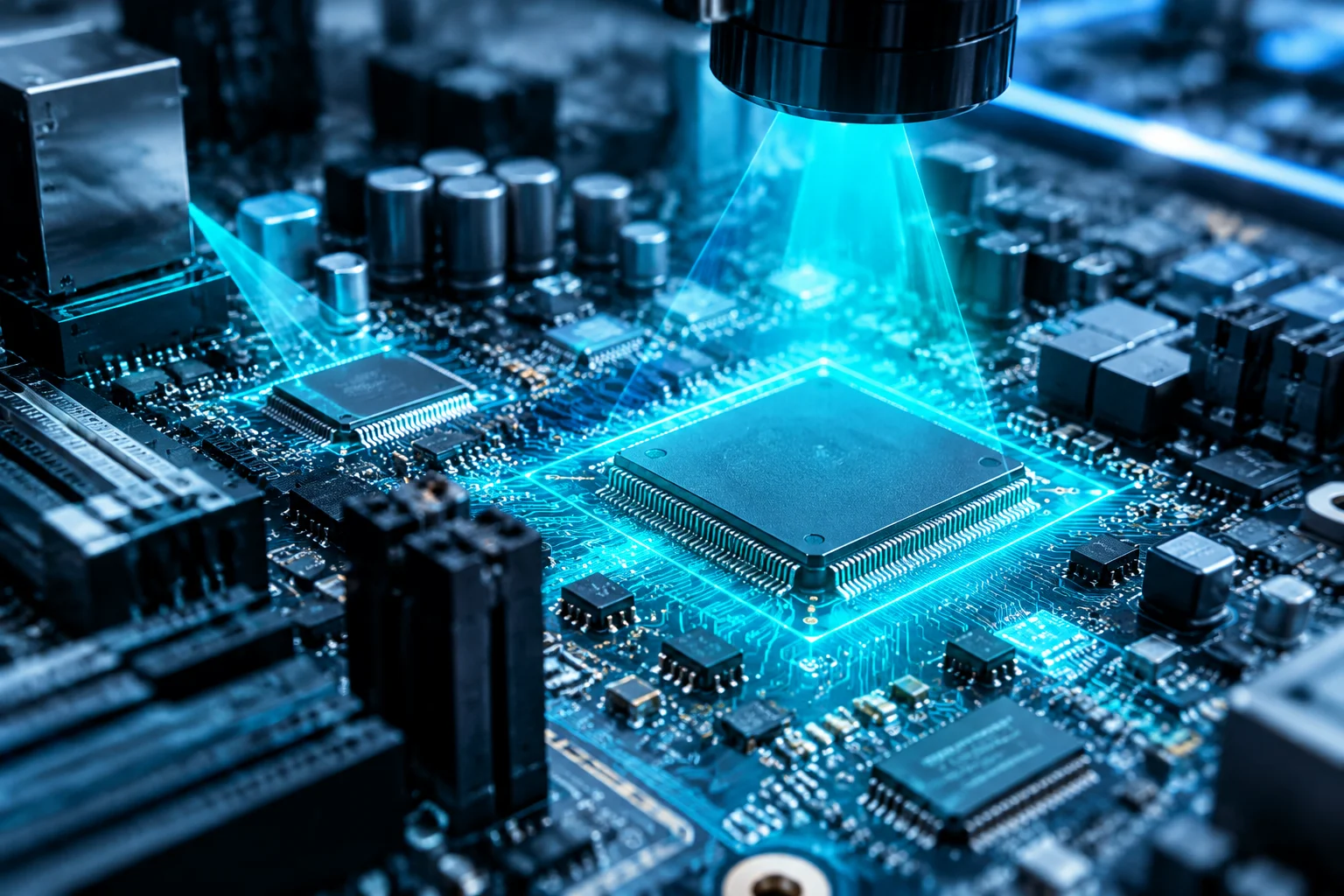
The hypervisor partitions execution privileges into two distinct environments known as Virtual Trust Levels (VTL). Standard drivers, applications, and general operating system routines execute within VTL 0. Meanwhile, core memory validation logic resides inside VTL 1, shielded from external interference. Modern multi-core processors leverage Second Level Address Translation (SLAT) and Input-Output Memory Management Units (IOMMU) to streamline page translations, ensuring that security audits occur with minimal friction during intense graphics and disk throughput bursts.
Frequently Asked Questions About Memory Integrity
Recent platform updates assess hardware capabilities during startup. If your motherboard firmware and processor support TPM 2.0, Secure Boot, and hardware virtualization without driver incompatibilities, the feature is enabled automatically to protect against kernel privilege escalations.
Average frame rates typically experience a negligible impact between 1% and 3% on current multi-core chips. However, games demanding extreme polling rates may see slight variations in 1% lows. Keeping background utility processes clean helps offset this overhead completely.
Identify the offending driver listed in the Core Isolation settings window. Visit the hardware manufacturer website to download updated WHQL-certified binaries, or remove deprecated peripheral software rather than leaving kernel protections permanently switched off.
Related Security & Performance Insights


Reader Feedback & System Observations
I did notice a slight frame drop after HVCI was enabled automatically. Good to know the reason.
Security first, but the performance trade-off needs better optimization from the OS side.
Gamer99
Verified Reader