
Decoupled Subsystems and Zero-Copy Data Pipelines
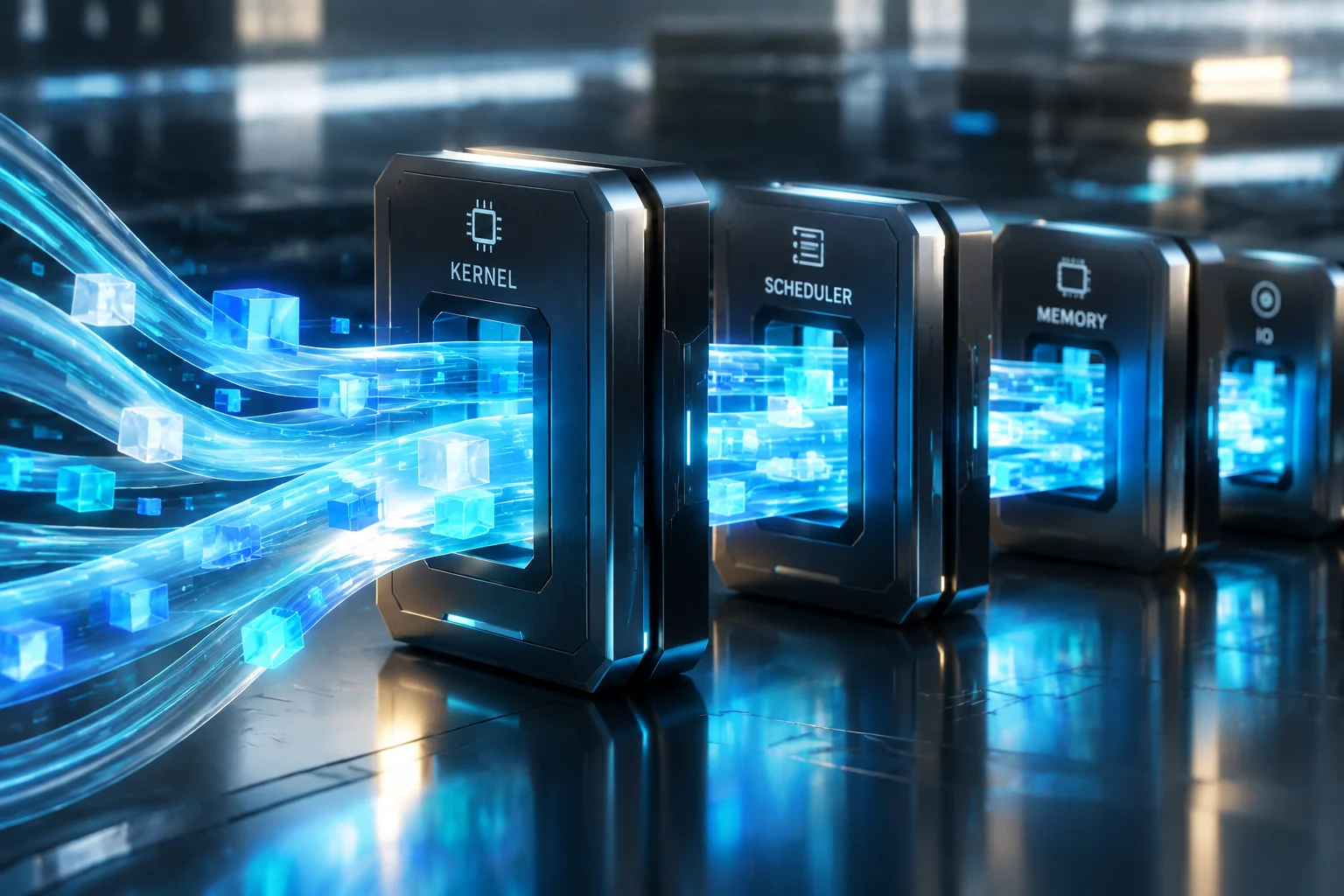
The newly announced architecture establishes a direct communication bridge between user-space application processes and low-level kernel driver tables. By reducing round-trip thread context transitions, the operating platform achieves immediate throughput gains across high-frequency computing workflows, native disk operations, and real-time optimization software routines.
Core Architectural Highlights
-
01
Direct Memory Descriptor Tables Eliminates double-buffering during high-throughput storage read operations, freeing shared RAM blocks for foreground processes.
-
02
Hardware-Aware Core Scheduling Dynamically matches maintenance services and background indexing threads with low-power efficiency microarchitectures.
-
03
Unified IPC Protocol Channels Standardizes asynchronous inter-process communication with microsecond response times and predictable deterministic execution.
Automate Your Workstation Maintenance
Discover how our specialized utilities apply these developer standards to keep system drives lean and responsive.
Platform Pipeline Performance Metrics
Direct comparison of internal runtime measurements recorded across reference development environments running intensive system maintenance and compilation workloads.
| Parameter / Metric | Specification / Status | System Impact |
|---|---|---|
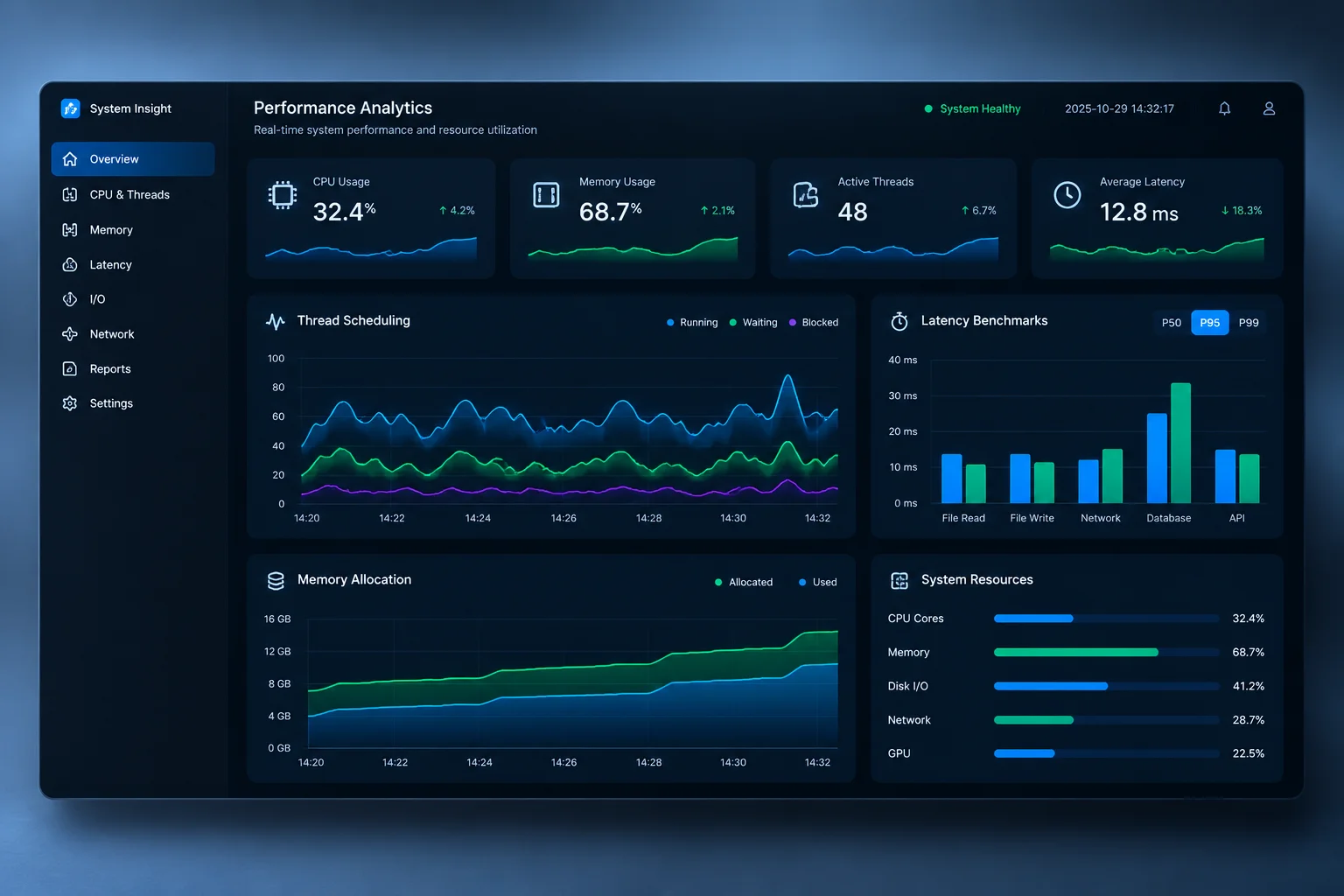
| Thread Context Switch Overhead | Reduced by 38% | Faster parallel compilation cycles and lowered core thermal throttling |
| Direct Storage Buffer Bypass | Zero-Copy Active | Eliminates redundant disk cache writes during large filesystem cleanups |
| Isolated Driver Sandboxing | Enforced VBS Tier 2 | Prevents unverified third-party libraries from locking memory pages |
| System Diagnostics IOPS | +42,000 IOPS Peak | Deep storage scans complete without disturbing active user workloads |
| Garbage Collector Pause Time | Sub-1.2 ms Windows | Guarantees seamless frame rates in graphics and real-time utilities |
Practical Impact on Daily Desktop Performance
Modern software suites frequently suffer from micro-stutters caused by background telemetry collectors and fragmented storage metadata. The developer framework upgrades introduce unified event filters directly at the driver boundaries. Instead of awakening sleeping CPU cores to evaluate periodic system events, the kernel coalesces notifications into structured batch dispatches.
Engineers building maintenance tools can now monitor resource consumption and purge stale registry indices without requesting administrative locks that stall user input. System responsiveness remains steady even while extensive background cleanups reorganize cached components on high-capacity solid-state arrays.
"The shift from heavy-handed operating system interrupts toward cooperative asynchronous queues represents the most significant efficiency jump for development tools in over a decade."
Hardware Synchronization and Compiler Level Scheduling
Compiler integration now works hand-in-hand with the platform kernel. Software binaries built against the 2026 application development interfaces carry execution tags that instruct the hardware scheduler on how to prioritize internal instructions. When a data deduplication routine runs, the CPU assigns the associated worker threads exclusively to idle execution clusters, ensuring that creative software, games, and browsing sessions receive absolute priority access to high-frequency performance cores.
Frequently Asked Technical Questions
The core thread dispatching models and zero-copy APIs function seamlessly on standard x86-64 and modern ARM64 silicon. Enhanced hardware telemetry features leverage hardware performance counters introduced in mid-range processors over the past four years.
Zero-copy pipelines stream storage file descriptors directly to disk analysis algorithms without copying raw bytes into temporary intermediate memory buffers. This approach dramatically lowers RAM footprints while safeguarding drive longevity.
Legacy executables inherit system-wide thread scheduling improvements and optimized page fault resolution automatically. Complete zero-copy benefits and microsecond IPC channels become available once applications update their target runtime libraries.
Explore Further Analysis

Technical Feedback
No comments yet. Be the first to leave a comment.